Yeni MacBook Modelleri 2026: M6, PROLED Ekran ve Tüm Seri
2026'nın yeni MacBook'larını Apple'ın resmi verileriyle inceledim: M6 çip, dokunmatik PROLED XDR ekranlı MacBook Pro, MacBook Air ve MacBook Neo.
New MacBook Models 2026: M6, PROLED Display and the Full Lineup
A look at 2026's new MacBooks based on Apple's official data: the M6 chip, the touchscreen MacBook Pro with PROLED XDR, MacBook Air and MacBook Neo.
Nuevos MacBook 2026: M6, pantalla PROLED y toda la gama
Repaso a los nuevos MacBook de 2026 con datos oficiales de Apple: chip M6, MacBook Pro táctil con PROLED XDR, MacBook Air y MacBook Neo.
Neue MacBook-Modelle 2026: M6, PROLED-Display und die ganze Reihe
Die neuen MacBooks 2026 anhand offizieller Apple-Daten: M6-Chip, MacBook Pro mit Touch und PROLED XDR, MacBook Air und MacBook Neo.
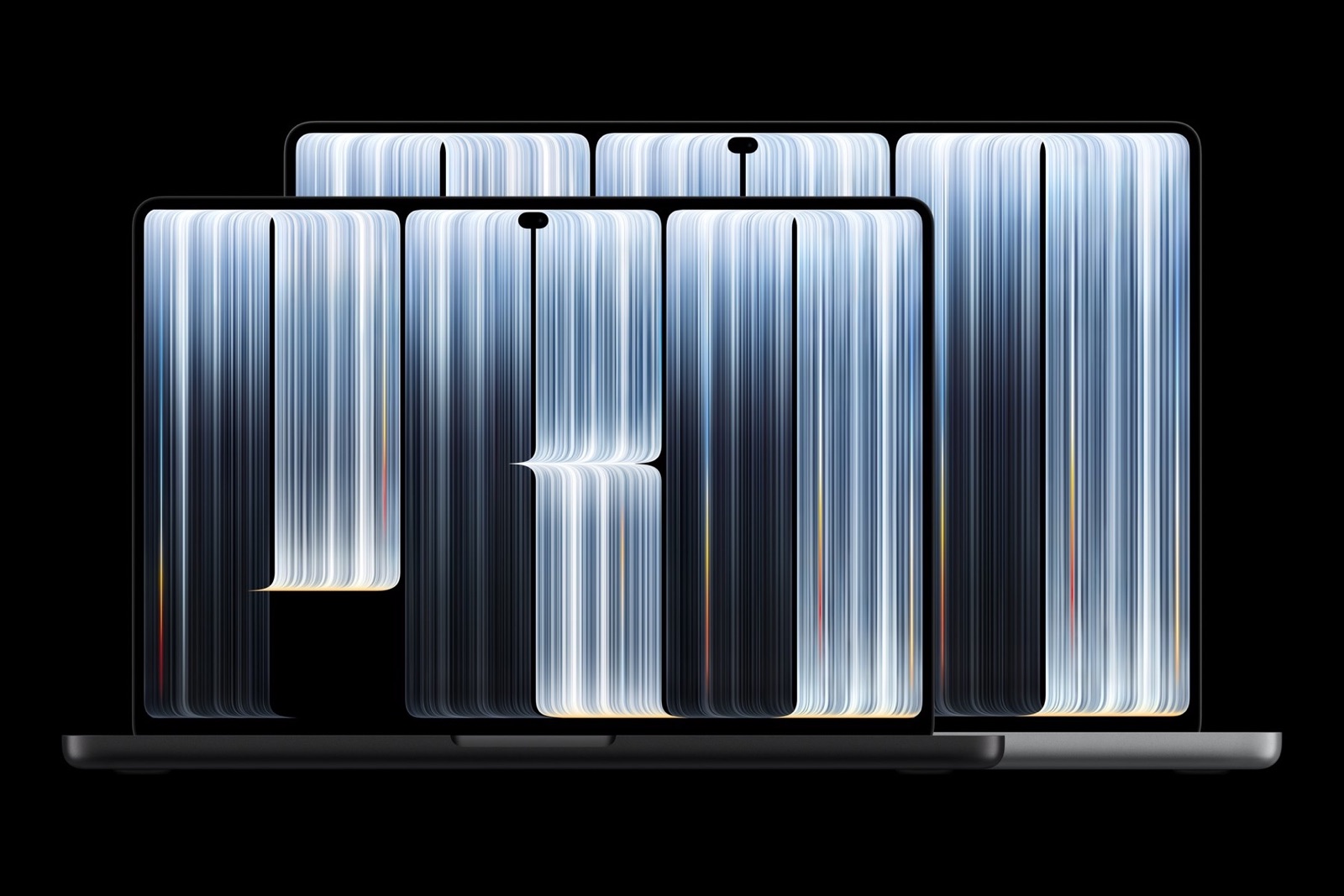
Apple, 2026 yılında dizüstü serisini baştan sona yeniledi. Mart ayında yeni MacBook Air ve iPhone çipiyle çalışan MacBook Neo geldi; 27 ve 28 Ekim'de ise M6 çipli 14 inç MacBook Pro ile ilk kez dokunmatik ekran sunan PROLED XDR ekranlı MacBook Pro duyuruldu. Bu yazıda yeni MacBook modellerini ve işlemci güncellemelerini, yalnızca Apple'ın resmi açıklamalarındaki verilere dayanarak, video ve içerik üretimi açısından inceliyorum.
Yeni MacBook modelleri: 2026 takvimi
- 3 Mart: M5 çipli MacBook Air (13 ve 15 inç) ile M5 Pro ve M5 Max çipli MacBook Pro (14 ve 16 inç).
- 4 Mart: A18 Pro çipli MacBook Neo. Mart'taki modellerin hepsi 11 Mart'ta satışa çıktı.
- 25 Ağustos: M6 çipi duyuruldu (ilk olarak yeni Mac mini'de).
- 27 Ekim: M6 çipli 14 inç MacBook Pro.
- 28 Ekim: PROLED XDR ekranlı, dokunmatik MacBook Pro (14 ve 16 inç, M5 Pro ve M5 Max).
Ekim modellerinin ön siparişi 28 Ekim'de başladı; Apple'a göre cihazlar 6 Kasım'dan itibaren teslim edilecek. Yazıdaki fiyatlar Apple'ın ABD için açıkladığı başlangıç fiyatlarıdır; Türkiye fiyatları ve satış tarihi için Apple Türkiye'nin sayfasına bakılmalıdır.
İşlemci güncellemeleri: M6, M5 Pro ve M5 Max
M6, Apple'ın 2 nanometre üretim sürecindeki ilk çipi. 12 çekirdekli işlemcisi 2 "süper", 4 performans ve 6 verimlilik çekirdeğinden oluşuyor; 12 çekirdekli grafik işlemcisinin her çekirdeğinde bir Neural Accelerator (yapay zekâ hızlandırıcısı) var. Çift 16 çekirdekli Neural Engine, en fazla 32 GB birleşik bellek ve 170 GB/sn bellek bant genişliği sunuyor. Apple, çok çekirdekli işlemci performansında M5'e göre 1,2 kata kadar artış bildiriyor.
M5 Pro ve M5 Max, iki adet 3 nanometre kalıbı tek çipte birleştiren "Fusion Architecture" ile üretiliyor. İkisinde de 18 çekirdekli işlemci (6 süper, 12 performans çekirdeği) bulunuyor. Grafik tarafında M5 Pro 20'ye, M5 Max 40'a kadar çekirdek sunuyor; bellek M5 Pro'da 64 GB'a (307 GB/sn), M5 Max'te 128 GB'a (614 GB/sn) kadar çıkıyor. Media Engine; H.264, HEVC ve AV1 için donanım hızlandırmalı kod çözmeyi ve ProRes kodlama/kod çözmeyi destekliyor. Apple'ın testlerine göre çok çekirdekli işlemci performansı M4 Pro'ya göre %30'a, M4 Max'e göre %15'e kadar daha yüksek.
MacBook Pro: PROLED XDR ekran ve dokunmatik
Ekim'in en büyük yeniliği, Apple'ın "PROLED XDR" adını verdiği tandem OLED ekran. Apple'ın verilerine göre:
- HDR ve SDR'de 2000 nit tepe parlaklık, 10.000.000:1 kontrast oranı.
- 10 Hz ile 120 Hz arasında uyarlanabilir ProMotion yenileme hızı.
- P3 ve Adobe RGB renk alanları tek varsayılan ayarda; Rec. 2020 kapsamı yüzde 80'in üzerinde.
- Fabrika kalibrasyonu ve sinema, fotoğraf, baskı ve tasarım için endüstri standardı referans modları.
- Uyumlu üçüncü taraf donanım ve yazılımla kameraya senkron (genlock) yenileme desteği.
Bu modeller, dokunmatik ekran sunan ilk Mac'ler. Dokunma algılayıcısı ekran panelinin içine yerleştirilmiş; Apple, dokunmatik desteği gelecek uygulamalar arasında DaVinci Resolve, Adobe Lightroom ve Blender'ı sayıyor (bu uygulamalar için "bu yıl içinde" ifadesini kullanıyor). Final Cut Pro, Logic Pro ve Pixelmator Pro'da ise dokunmaya özel özellikler bulunuyor. Ekranın üst kısmındaki Dynamic Island; Spotlight, Live Activities ve Siri için kullanılıyor.
Kasa da hafifledi: 14 inç model yaklaşık 1,36 kg (3 lb), 16 inç model yaklaşık 1,81 kg (4 lb). Bağlantıda üç Thunderbolt 5, HDMI, SDXC kart yuvası, MagSafe ve kulaklık girişi var; M5 Pro ile üç, M5 Max ile dört harici ekran destekleniyor. Bellek 128 GB'a, depolama 16 TB'a kadar yapılandırılabiliyor; pil ömrü 24 saate kadar. ABD başlangıç fiyatları: 14 inç M5 Pro 2.899 dolar, 16 inç M5 Pro 3.399 dolar, 14 inç M5 Max 4.499 dolar, 16 inç M5 Max 4.799 dolar.
M6 çipli 14 inç MacBook Pro
Serinin giriş modeli olan 14 inç MacBook Pro, M6 çipiyle güncellendi. 16 GB birleşik bellekle başlıyor ve 32 GB'a kadar yapılandırılabiliyor. Ekranı Liquid Retina XDR (HDR'de 1600 nit tepe parlaklık); isteğe bağlı nano-texture cam seçeneği var. Apple, M5'li önceki modele göre grafikte %30'a, yapay zekâ iş yüklerinde %25'e kadar artış bildiriyor. Üç Thunderbolt 4, HDMI, SDXC, MagSafe 3, Wi-Fi 7 ve Bluetooth 6 sunuyor; pil ömrü 24 saate kadar. Uzay siyahı ve gümüş renklerde, ABD'de 1.999 dolardan başlıyor.
MacBook Air ve MacBook Neo
MacBook Air (M5): 13,6 ve 15,3 inç seçenekleri, 10 çekirdekli işlemci ve 10 çekirdeğe kadar grafik işlemcisi sunuyor. Başlangıç depolaması 512 GB'a çıktı (4 TB'a kadar), pil ömrü 18 saate kadar; Apple'ın N1 kablosuz çipiyle Wi-Fi 7 ve Bluetooth 6 geldi. Fansız tasarımı koruyor; ABD başlangıç fiyatı 13 inçte 1.099, 15 inçte 1.299 dolar.
MacBook Neo: iPhone 16 Pro'daki A18 Pro çipini kullanan ilk Mac. 6 çekirdekli işlemci, 5 çekirdekli grafik işlemcisi ve 16 çekirdekli Neural Engine'e sahip. 13 inç Liquid Retina ekran (2408 × 1506, 500 nit), 16 saate kadar pil ömrü, iki USB-C port (biri USB 3, biri USB 2) ve yaklaşık 1,22 kg ağırlık sunuyor. 599 dolarlık başlangıç fiyatıyla Apple'ın en uygun fiyatlı dizüstü bilgisayarı.
Pratikte ne anlama geliyor?
Video ve içerik üretimi açısından bakınca seçim, iş yükünün türüne göre netleşiyor:
- Renk kritik işler ve yüksek çözünürlüklü kurgu: PROLED XDR ekranlı MacBook Pro; geniş renk alanı, referans modları ve M5 Max'in 128 GB belleğe kadar çıkan yapısı, çoklu 8K ProRes akışı ve renk düzenleme gibi ağır işler için tasarlanmış.
- Sosyal medya, Reels ve 4K kurgu: M6'lı 14 inç MacBook Pro; SDXC yuvası ve HDMI portuyla sahada ve stüdyoda dengeli bir seçenek.
- Hafif kurgu ve taşınabilirlik: MacBook Air; fansız ve sessiz, ancak kart okuyucu ve HDMI gibi portlar için adaptör gerekir.
- Temel ofis ve öğrenim: MacBook Neo; profesyonel video için değil, gündelik işler için konumlandırılmış.
Performans oranlarının tamamı Apple'ın kendi test koşullarında ölçülmüştür; gerçek sonuçlar kullanılan yazılıma ve proje yapısına göre değişir. Cihazlar kullanıcılara ulaştıktan sonra bağımsız testleri de takip etmenizi öneririm.
Video, kurgu ve sosyal medya projeleriniz için üretim planlamasında destek almak isterseniz ardasofraci.com üzerinden bana ulaşabilirsiniz.
Apple refreshed its entire laptop line in 2026. March brought a new MacBook Air and the MacBook Neo, which runs on an iPhone chip; on 27 and 28 October Apple announced the 14-inch MacBook Pro with M6 and a MacBook Pro with a PROLED XDR display, the first Mac with a touchscreen. In this post I look at the new MacBook models and their chip updates from a video and content-production perspective, using only the figures in Apple's official announcements.
New MacBook models: the 2026 timeline
- 3 March: MacBook Air with M5 (13 and 15 inch) and MacBook Pro with M5 Pro and M5 Max (14 and 16 inch).
- 4 March: MacBook Neo with the A18 Pro chip. All the March models went on sale on 11 March.
- 25 August: the M6 chip is announced (first in the new Mac mini).
- 27 October: 14-inch MacBook Pro with M6.
- 28 October: MacBook Pro with PROLED XDR display and touch (14 and 16 inch, M5 Pro and M5 Max).
Pre-orders for the October models opened on 28 October, and Apple says they arrive from 6 November. Prices in this post are Apple's US starting prices; check your local Apple Store for regional pricing and availability.
Chip updates: M6, M5 Pro and M5 Max
M6 is Apple's first chip built on a 2-nanometre process. Its 12-core CPU combines 2 "super" cores, 4 performance cores and 6 efficiency cores; each of its 12 GPU cores has a Neural Accelerator. It adds a dual 16-core Neural Engine, up to 32GB of unified memory and 170GB/s of memory bandwidth. Apple reports up to 1.2x faster multithreaded CPU performance than M5.
M5 Pro and M5 Max use a "Fusion Architecture" that joins two 3-nanometre dies into a single chip. Both have an 18-core CPU (6 super cores and 12 performance cores). The GPU goes up to 20 cores on M5 Pro and 40 on M5 Max; memory reaches 64GB (307GB/s) on M5 Pro and 128GB (614GB/s) on M5 Max. The Media Engine provides hardware-accelerated H.264, HEVC and AV1 decoding as well as ProRes encode and decode. According to Apple's tests, multithreaded CPU performance is up to 30% higher than M4 Pro and up to 15% higher than M4 Max.
MacBook Pro: PROLED XDR display and touch
October's biggest change is a tandem OLED panel Apple calls "PROLED XDR". According to Apple:
- 2000 nits peak brightness in both HDR and SDR, and a 10,000,000:1 contrast ratio.
- ProMotion adaptive refresh from 10Hz up to 120Hz.
- P3 and Adobe RGB in a single default preset, with more than 80 percent Rec. 2020 coverage.
- Factory calibration and industry-standard reference modes for cinema, photography, print and design.
- Genlock support, which syncs the refresh rate to camera capture with compatible third-party hardware and software.
These are the first Macs with a touchscreen. The touch sensor is built into the display panel itself; among the apps getting touch support Apple lists DaVinci Resolve, Adobe Lightroom and Blender (it says they arrive "later this year"). Final Cut Pro, Logic Pro and Pixelmator Pro get touch-specific features. A Dynamic Island at the top of the display hosts Spotlight, Live Activities and Siri.
The body is lighter too: the 14-inch model weighs 3 lb (about 1.36kg) and the 16-inch model 4 lb (about 1.81kg). Connectivity includes three Thunderbolt 5 ports, HDMI, an SDXC card slot, MagSafe and a headphone jack; M5 Pro drives up to three external displays and M5 Max up to four. Memory goes up to 128GB and storage up to 16TB, with up to 24 hours of battery life. US starting prices: 14-inch M5 Pro $2,899, 16-inch M5 Pro $3,399, 14-inch M5 Max $4,499 and 16-inch M5 Max $4,799.
The 14-inch MacBook Pro with M6
The entry 14-inch MacBook Pro moves to M6. It starts with 16GB of unified memory and is configurable up to 32GB. It keeps the Liquid Retina XDR display (1600 nits peak HDR brightness), with an optional nano-texture finish. Apple reports up to 30% faster graphics and up to 25% faster AI workloads than the previous M5 model. It offers three Thunderbolt 4 ports, HDMI, SDXC, MagSafe 3, Wi-Fi 7 and Bluetooth 6, with up to 24 hours of battery life. It comes in space black and silver from $1,999 in the US.
MacBook Air and MacBook Neo
MacBook Air (M5): available in 13.6-inch and 15.3-inch sizes, with a 10-core CPU and up to a 10-core GPU. Starting storage doubles to 512GB (up to 4TB), battery life reaches up to 18 hours, and Apple's N1 wireless chip brings Wi-Fi 7 and Bluetooth 6. It keeps its fanless design; US prices start at $1,099 for the 13-inch and $1,299 for the 15-inch.
MacBook Neo: the first Mac to use the A18 Pro chip from iPhone 16 Pro, with a 6-core CPU, 5-core GPU and 16-core Neural Engine. It has a 13-inch Liquid Retina display (2408 × 1506, 500 nits), up to 16 hours of battery life, two USB-C ports (one USB 3, one USB 2) and weighs 2.7 lb (about 1.22kg). Starting at $599, it is Apple's most affordable laptop.
What does it mean in practice?
For video and content production, the choice comes down to the type of workload:
- Colour-critical work and high-resolution editing: the MacBook Pro with PROLED XDR display. Its wide colour gamut, reference modes and up to 128GB of memory on M5 Max are built for heavy jobs such as multiple streams of 8K ProRes and colour grading.
- Social media, Reels and 4K editing: the 14-inch MacBook Pro with M6. With an SDXC slot and HDMI, it is a balanced option on location and in the studio.
- Light editing and portability: MacBook Air. It is fanless and silent, but you will need adapters for a card reader or HDMI.
- Everyday office work and study: MacBook Neo, positioned for everyday tasks rather than professional video.
All performance figures were measured under Apple's own test conditions; real-world results depend on your software and project. I recommend following independent tests once the machines reach users.
If you would like support planning production for your video, editing or social media projects, you can reach me via ardasofraci.com.
Apple renovó toda su gama de portátiles en 2026. En marzo llegaron un nuevo MacBook Air y el MacBook Neo, que funciona con un chip de iPhone; el 27 y el 28 de octubre Apple presentó el MacBook Pro de 14 pulgadas con M6 y un MacBook Pro con pantalla PROLED XDR, el primer Mac con pantalla táctil. En este artículo analizo los nuevos modelos de MacBook y la evolución de sus chips desde el punto de vista de la producción de vídeo y contenido, usando solo los datos de los anuncios oficiales de Apple.
Nuevos modelos de MacBook: el calendario de 2026
- 3 de marzo: MacBook Air con M5 (13 y 15 pulgadas) y MacBook Pro con M5 Pro y M5 Max (14 y 16 pulgadas).
- 4 de marzo: MacBook Neo con chip A18 Pro. Todos los modelos de marzo salieron a la venta el 11 de marzo.
- 25 de agosto: se presenta el chip M6 (primero en el nuevo Mac mini).
- 27 de octubre: MacBook Pro de 14 pulgadas con M6.
- 28 de octubre: MacBook Pro con pantalla PROLED XDR táctil (14 y 16 pulgadas, M5 Pro y M5 Max).
La reserva de los modelos de octubre empezó el 28 de octubre y, según Apple, las entregas comienzan el 6 de noviembre. Los precios de este artículo son los precios de partida de Apple en EE. UU.; consulta la Apple Store de tu país para conocer precios y disponibilidad.
La evolución de los chips: M6, M5 Pro y M5 Max
M6 es el primer chip de Apple fabricado en un proceso de 2 nanómetros. Su CPU de 12 núcleos combina 2 núcleos "super", 4 de rendimiento y 6 de eficiencia; cada uno de sus 12 núcleos de GPU incluye un Neural Accelerator. Suma un Neural Engine doble de 16 núcleos, hasta 32 GB de memoria unificada y 170 GB/s de ancho de banda. Apple indica un rendimiento multinúcleo de CPU hasta 1,2 veces superior al de M5.
M5 Pro y M5 Max utilizan una "Fusion Architecture" que une dos chips de 3 nanómetros en uno solo. Ambos tienen una CPU de 18 núcleos (6 super y 12 de rendimiento). La GPU llega a 20 núcleos en M5 Pro y a 40 en M5 Max; la memoria alcanza 64 GB (307 GB/s) en M5 Pro y 128 GB (614 GB/s) en M5 Max. El Media Engine ofrece decodificación por hardware de H.264, HEVC y AV1, además de codificación y decodificación ProRes. Según las pruebas de Apple, el rendimiento multinúcleo es hasta un 30 % superior al de M4 Pro y hasta un 15 % superior al de M4 Max.
MacBook Pro: pantalla PROLED XDR y táctil
La gran novedad de octubre es un panel OLED tándem que Apple llama "PROLED XDR". Según Apple:
- 2000 nits de brillo máximo en HDR y SDR, y una relación de contraste de 10.000.000:1.
- Frecuencia de actualización adaptativa ProMotion de 10 Hz a 120 Hz.
- P3 y Adobe RGB en un único ajuste predeterminado, con más del 80 % de cobertura Rec. 2020.
- Calibración de fábrica y modos de referencia estándar para cine, fotografía, impresión y diseño.
- Compatibilidad con genlock, que sincroniza la actualización con la captura de la cámara usando hardware y software de terceros compatibles.
Son los primeros Mac con pantalla táctil. El sensor táctil está integrado en el propio panel; entre las apps que tendrán soporte táctil Apple cita DaVinci Resolve, Adobe Lightroom y Blender (llegarán "más adelante este año", según Apple). Final Cut Pro, Logic Pro y Pixelmator Pro incluyen funciones táctiles específicas. La Dynamic Island de la parte superior aloja Spotlight, las Live Activities y Siri.
El chasis también es más ligero: el modelo de 14 pulgadas pesa unos 1,36 kg y el de 16 pulgadas unos 1,81 kg. Incluye tres puertos Thunderbolt 5, HDMI, ranura SDXC, MagSafe y toma de auriculares; M5 Pro admite hasta tres pantallas externas y M5 Max hasta cuatro. La memoria llega a 128 GB y el almacenamiento a 16 TB, con hasta 24 horas de batería. Precios de partida en EE. UU.: 14 pulgadas M5 Pro 2.899 dólares, 16 pulgadas M5 Pro 3.399 dólares, 14 pulgadas M5 Max 4.499 dólares y 16 pulgadas M5 Max 4.799 dólares.
El MacBook Pro de 14 pulgadas con M6
El MacBook Pro de 14 pulgadas de entrada pasa a M6. Parte de 16 GB de memoria unificada y se puede configurar hasta 32 GB. Mantiene la pantalla Liquid Retina XDR (1600 nits de brillo máximo en HDR), con opción de acabado nanotexturizado. Apple indica hasta un 30 % más de rendimiento gráfico y hasta un 25 % más en tareas de IA que el modelo anterior con M5. Ofrece tres puertos Thunderbolt 4, HDMI, SDXC, MagSafe 3, Wi-Fi 7 y Bluetooth 6, con hasta 24 horas de batería. Está disponible en negro espacial y plata desde 1.999 dólares en EE. UU.
MacBook Air y MacBook Neo
MacBook Air (M5): en tamaños de 13,6 y 15,3 pulgadas, con CPU de 10 núcleos y GPU de hasta 10 núcleos. El almacenamiento de partida se duplica a 512 GB (hasta 4 TB), la batería dura hasta 18 horas y el chip inalámbrico N1 de Apple aporta Wi-Fi 7 y Bluetooth 6. Mantiene su diseño sin ventilador; en EE. UU. parte de 1.099 dólares (13 pulgadas) y 1.299 dólares (15 pulgadas).
MacBook Neo: el primer Mac con el chip A18 Pro del iPhone 16 Pro, con CPU de 6 núcleos, GPU de 5 núcleos y Neural Engine de 16 núcleos. Tiene pantalla Liquid Retina de 13 pulgadas (2408 × 1506, 500 nits), hasta 16 horas de batería, dos puertos USB-C (uno USB 3 y otro USB 2) y pesa unos 1,22 kg. Desde 599 dólares, es el portátil más asequible de Apple.
¿Qué significa en la práctica?
En producción de vídeo y contenido, la elección depende del tipo de trabajo:
- Trabajo de color crítico y edición en alta resolución: el MacBook Pro con pantalla PROLED XDR. Su amplio espacio de color, los modos de referencia y hasta 128 GB de memoria en M5 Max están pensados para tareas exigentes como varias secuencias 8K ProRes y la corrección de color.
- Redes sociales, Reels y edición 4K: el MacBook Pro de 14 pulgadas con M6. Con ranura SDXC y HDMI, es una opción equilibrada en rodaje y en estudio.
- Edición ligera y portabilidad: el MacBook Air. Es silencioso y sin ventilador, pero necesitarás adaptadores para lector de tarjetas o HDMI.
- Ofimática y estudios: el MacBook Neo, pensado para tareas cotidianas y no para vídeo profesional.
Todas las cifras de rendimiento se midieron en las condiciones de prueba de Apple; los resultados reales dependen del software y del proyecto. Recomiendo seguir las pruebas independientes cuando los equipos lleguen a los usuarios.
Si quieres apoyo para planificar la producción de tus proyectos de vídeo, edición o redes sociales, puedes escribirme a través de ardasofraci.com.
Apple hat 2026 seine gesamte Notebook-Reihe erneuert. Im März kamen ein neues MacBook Air und das MacBook Neo, das mit einem iPhone-Chip arbeitet; am 27. und 28. Oktober stellte Apple das 14-Zoll-MacBook-Pro mit M6 und ein MacBook Pro mit PROLED-XDR-Display vor, den ersten Mac mit Touchscreen. In diesem Beitrag betrachte ich die neuen MacBook-Modelle und ihre Chip-Updates aus Sicht der Video- und Content-Produktion – ausschließlich auf Basis der offiziellen Angaben von Apple.
Neue MacBook-Modelle: der Zeitplan 2026
- 3. März: MacBook Air mit M5 (13 und 15 Zoll) sowie MacBook Pro mit M5 Pro und M5 Max (14 und 16 Zoll).
- 4. März: MacBook Neo mit A18-Pro-Chip. Alle März-Modelle kamen am 11. März in den Handel.
- 25. August: Vorstellung des M6-Chips (zuerst im neuen Mac mini).
- 27. Oktober: 14-Zoll-MacBook-Pro mit M6.
- 28. Oktober: MacBook Pro mit PROLED-XDR-Display und Touch (14 und 16 Zoll, M5 Pro und M5 Max).
Die Vorbestellung der Oktober-Modelle begann am 28. Oktober; laut Apple werden sie ab dem 6. November ausgeliefert. Die Preise in diesem Beitrag sind Apples US-Einstiegspreise; Preise und Verfügbarkeit in Ihrem Land finden Sie im jeweiligen Apple Store.
Chip-Updates: M6, M5 Pro und M5 Max
M6 ist Apples erster Chip im 2-Nanometer-Verfahren. Die 12-Kern-CPU kombiniert 2 „Super“-Kerne, 4 Performance- und 6 Effizienzkerne; jeder der 12 GPU-Kerne besitzt einen Neural Accelerator. Dazu kommen eine doppelte 16-Kern-Neural-Engine, bis zu 32 GB gemeinsamer Arbeitsspeicher und 170 GB/s Speicherbandbreite. Apple nennt eine bis zu 1,2-fach höhere Multithread-CPU-Leistung gegenüber M5.
M5 Pro und M5 Max nutzen eine „Fusion Architecture“, die zwei 3-Nanometer-Dies zu einem Chip verbindet. Beide haben eine 18-Kern-CPU (6 Super- und 12 Performance-Kerne). Die GPU reicht bei M5 Pro bis 20 und bei M5 Max bis 40 Kerne; der Arbeitsspeicher erreicht bei M5 Pro 64 GB (307 GB/s) und bei M5 Max 128 GB (614 GB/s). Die Media Engine bietet hardwarebeschleunigte Dekodierung von H.264, HEVC und AV1 sowie ProRes-Kodierung und -Dekodierung. Laut Apples Tests liegt die Multithread-CPU-Leistung bis zu 30 % über M4 Pro und bis zu 15 % über M4 Max.
MacBook Pro: PROLED-XDR-Display und Touch
Die größte Neuerung im Oktober ist ein Tandem-OLED-Panel, das Apple „PROLED XDR“ nennt. Laut Apple bietet es:
- 2000 Nits Spitzenhelligkeit in HDR und SDR sowie ein Kontrastverhältnis von 10.000.000:1.
- Adaptive ProMotion-Bildwiederholrate von 10 Hz bis 120 Hz.
- P3 und Adobe RGB in einer einzigen Standardvoreinstellung, mit über 80 Prozent Rec.-2020-Abdeckung.
- Werkskalibrierung und branchenübliche Referenzmodi für Kino, Fotografie, Druck und Design.
- Genlock-Unterstützung, die die Bildwiederholung mit kompatibler Drittanbieter-Hard- und -Software an die Kameraaufnahme koppelt.
Es sind die ersten Macs mit Touchscreen. Der Touch-Sensor ist direkt in das Displaypanel integriert; zu den Apps mit Touch-Unterstützung zählt Apple DaVinci Resolve, Adobe Lightroom und Blender (laut Apple „noch in diesem Jahr“). Final Cut Pro, Logic Pro und Pixelmator Pro erhalten eigene Touch-Funktionen. Eine Dynamic Island oben im Display beherbergt Spotlight, Live-Aktivitäten und Siri.
Auch das Gehäuse ist leichter: Das 14-Zoll-Modell wiegt etwa 1,36 kg, das 16-Zoll-Modell etwa 1,81 kg. An Anschlüssen gibt es drei Thunderbolt-5-Ports, HDMI, einen SDXC-Kartensteckplatz, MagSafe und eine Kopfhörerbuchse; M5 Pro unterstützt bis zu drei, M5 Max bis zu vier externe Displays. Der Arbeitsspeicher reicht bis 128 GB, der Speicher bis 16 TB, die Akkulaufzeit bis zu 24 Stunden. US-Einstiegspreise: 14 Zoll M5 Pro 2.899 Dollar, 16 Zoll M5 Pro 3.399 Dollar, 14 Zoll M5 Max 4.499 Dollar und 16 Zoll M5 Max 4.799 Dollar.
Das 14-Zoll-MacBook-Pro mit M6
Das 14-Zoll-Einstiegsmodell des MacBook Pro wechselt auf M6. Es startet mit 16 GB gemeinsamem Arbeitsspeicher und ist bis 32 GB konfigurierbar. Das Liquid-Retina-XDR-Display (1600 Nits HDR-Spitzenhelligkeit) bleibt, optional mit Nanotextur-Glas. Apple nennt bis zu 30 % mehr Grafikleistung und bis zu 25 % schnellere KI-Aufgaben als beim Vorgänger mit M5. Es bietet drei Thunderbolt-4-Ports, HDMI, SDXC, MagSafe 3, Wi-Fi 7 und Bluetooth 6 sowie bis zu 24 Stunden Akkulaufzeit. Erhältlich in Space Schwarz und Silber ab 1.999 Dollar in den USA.
MacBook Air und MacBook Neo
MacBook Air (M5): in 13,6 und 15,3 Zoll, mit 10-Kern-CPU und bis zu 10-Kern-GPU. Der Einstiegsspeicher verdoppelt sich auf 512 GB (bis 4 TB), der Akku hält bis zu 18 Stunden, und Apples N1-Funkchip bringt Wi-Fi 7 und Bluetooth 6. Das lüfterlose Design bleibt; in den USA startet es bei 1.099 Dollar (13 Zoll) und 1.299 Dollar (15 Zoll).
MacBook Neo: der erste Mac mit dem A18-Pro-Chip aus dem iPhone 16 Pro, mit 6-Kern-CPU, 5-Kern-GPU und 16-Kern-Neural-Engine. Es bietet ein 13-Zoll-Liquid-Retina-Display (2408 × 1506, 500 Nits), bis zu 16 Stunden Akkulaufzeit, zwei USB-C-Ports (einmal USB 3, einmal USB 2) und wiegt etwa 1,22 kg. Ab 599 Dollar ist es Apples günstigstes Notebook.
Was bedeutet das in der Praxis?
Für Video- und Content-Produktion hängt die Wahl von der Art der Arbeit ab:
- Farbkritische Arbeit und hochauflösender Schnitt: das MacBook Pro mit PROLED-XDR-Display. Großer Farbraum, Referenzmodi und bis zu 128 GB Arbeitsspeicher beim M5 Max sind für anspruchsvolle Aufgaben wie mehrere 8K-ProRes-Streams und Color Grading ausgelegt.
- Social Media, Reels und 4K-Schnitt: das 14-Zoll-MacBook-Pro mit M6. Mit SDXC-Steckplatz und HDMI ist es eine ausgewogene Wahl am Set und im Studio.
- Leichter Schnitt und Mobilität: das MacBook Air. Lüfterlos und leise, für Kartenleser oder HDMI braucht es jedoch Adapter.
- Büro und Studium: das MacBook Neo, ausgelegt für alltägliche Aufgaben statt für professionelles Video.
Alle Leistungsangaben wurden unter Apples eigenen Testbedingungen gemessen; reale Ergebnisse hängen von Software und Projekt ab. Ich empfehle, unabhängige Tests zu verfolgen, sobald die Geräte bei den Nutzern sind.
Wenn Sie Unterstützung bei der Produktionsplanung für Ihre Video-, Schnitt- oder Social-Media-Projekte wünschen, erreichen Sie mich über ardasofraci.com.
Kaynaklar
- Apple unveils groundbreaking MacBook Pro with PROLED XDR Display — Apple Newsroom (28 Ekim 2026)
- Apple introduces the new 14-inch MacBook Pro with M6 — Apple Newsroom (27 Ekim 2026)
- Apple introduces M6 and M5 Ultra — Apple Newsroom (25 Ağustos 2026)
- Apple debuts M5 Pro and M5 Max — Apple Newsroom (3 Mart 2026)
- Apple introduces the new MacBook Air with M5 — Apple Newsroom (3 Mart 2026)
- Say hello to MacBook Neo — Apple Newsroom (4 Mart 2026)