DJI Mic Mini 2: Kompakt Kablosuz Mikrofona Teknik Bakış
DJI Mic Mini 2'yi resmi teknik verileriyle inceledim: 11 gramlık verici, 400 metre menzil ve iki kademeli gürültü engelleme video sesine ne katıyor?
DJI Mic Mini 2: A Technical Look at the Compact Wireless Mic
A technical look at the DJI Mic Mini 2 based on official data: what an 11-gram transmitter, 400-metre range and two-level noise cancelling bring to video sound.
DJI Mic Mini 2: análisis técnico del micrófono inalámbrico compacto
Análisis técnico del DJI Mic Mini 2 según sus datos oficiales: qué aportan al sonido de vídeo un transmisor de 11 gramos, 400 metros de alcance y cancelación de ruido.
DJI Mic Mini 2: technischer Blick auf das kompakte Funkmikrofon
Technischer Blick auf das DJI Mic Mini 2 anhand offizieller Daten: was ein 11-Gramm-Sender, 400 Meter Reichweite und zweistufige Geräuschunterdrückung bringen.
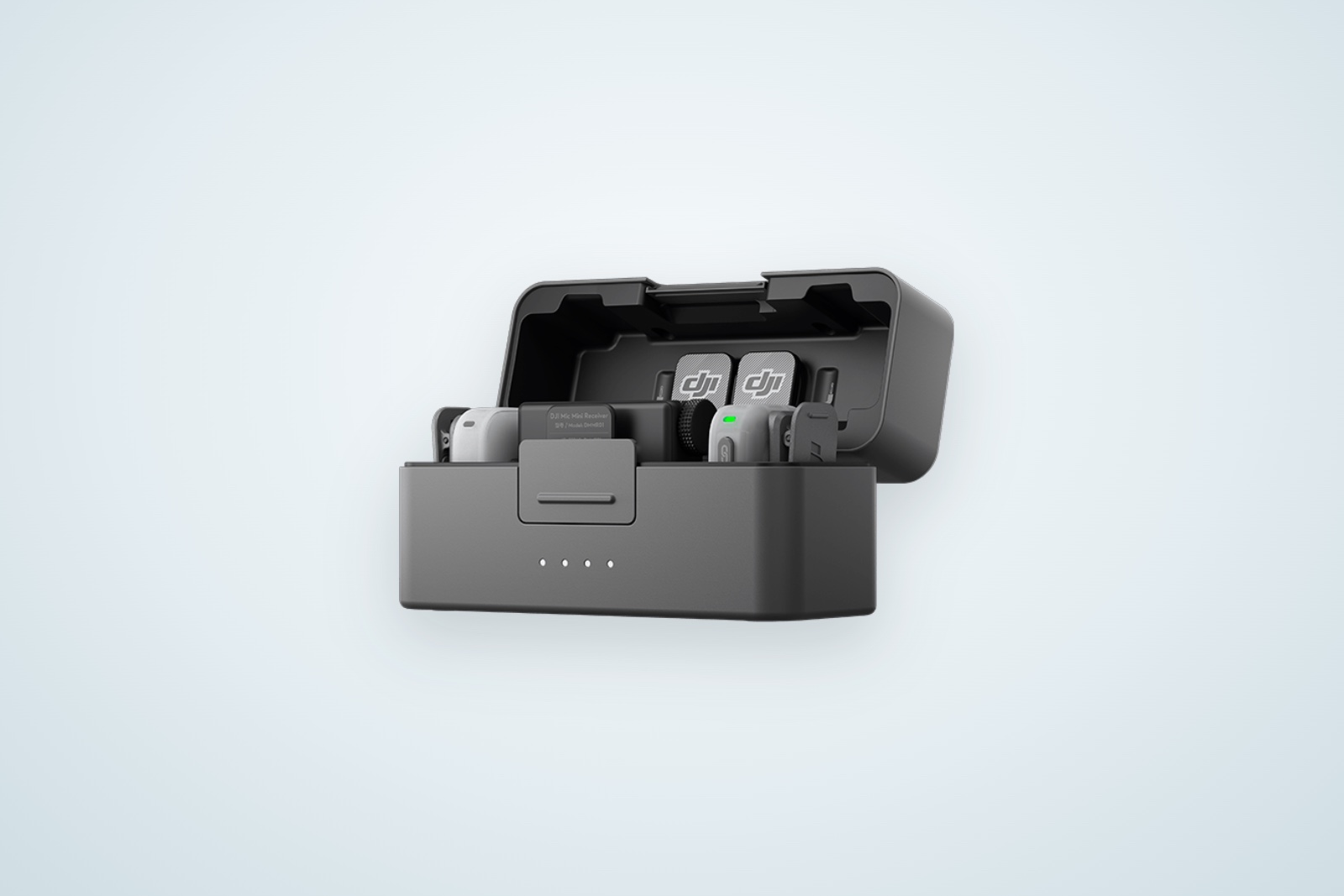
Videoda izleyicinin en az affettiği şey kötü sestir: görüntüdeki küçük bir kusur fark edilmeyebilir, ama boğuk ya da gürültülü bir konuşma izleyiciyi hemen uzaklaştırır. Bu yüzden kablosuz yaka mikrofonları, vlog'dan röportaja kadar tek kişilik prodüksiyonların temel ekipmanı hâline geldi. Bu yazıda DJI'ın kompakt kablosuz mikrofonu DJI Mic Mini 2'yi, DJI'ın resmi teknik özellik ve ürün sayfalarındaki verilerle ele alıyorum. Cihazı henüz sahada test etmedim; değerlendirme üreticinin açıkladığı verilere dayanıyor.
Boyut ve kullanım: 11 gramlık verici
Mic Mini 2'nin vericisi yaklaşık 11 gram ağırlığında (manyetik klips hariç) ve 28,58 × 28,04 × 13,52 mm boyutlarında. Kıyafete manyetik klipsle takılıyor; DJI, ön kapakların manyetik olarak değiştirilebildiğini ve standart siyah ile beyazın yanında farklı renk seçenekleri bulunduğunu belirtiyor. Görüntüde mikrofonun ne kadar dikkat çektiği, özellikle marka ve kurumsal çekimlerde önemli bir ayrıntı.
Sistemde iki alıcı seçeneği var: kameraya bağlanan yaklaşık 17,8 gramlık standart alıcı ve telefona takılan yaklaşık 6,5 gramlık mobil alıcı. DJI ayrıca vericinin DJI OsmoAudio ile uyumlu DJI kameralarına alıcı olmadan doğrudan bağlanabildiğini belirtiyor; hangi modellerin desteklendiğini satın almadan önce DJI'ın güncel uyumluluk listesinden kontrol etmek gerekir.
Teknik ses verileri ne anlatıyor?
- Kutupsal desen: çok yönlü (omnidirectional). Mikrofon her yönden gelen sesi benzer hassasiyetle alır. Yaka mikrofonlarında bu, konuşan kişi başını çevirdiğinde sesin dengeli kalmasını sağlar; buna karşılık ortam sesini de alır.
- Frekans tepkisi: 20 Hz – 20 kHz. İnsan kulağının duyduğu aralığın tamamı. Alçak kesme filtresi açıldığında alt sınır 100 Hz'e çıkıyor; bu, rüzgâr ya da trafik uğultusu gibi düşük frekanslı gürültüleri azaltmak için kullanılır.
- Maksimum ses basıncı: 120 dB SPL (%1 THD). Mikrofonun belirgin bozulma olmadan kaldırabildiği en yüksek ses düzeyi; yüksek sesli ortamlarda patlamayı önlemede önemlidir.
- Eşdeğer gürültü: 24 dBA. Mikrofonun kendi ürettiği gürültü (self-noise). Değer düştükçe sessiz ortamlarda daha temiz kayıt elde edilir.
DJI, bunlara ek olarak iki kademeli gürültü engelleme, ses patlamasını önleyen otomatik sınırlayıcı (limiter) ve üç ses tonu ön ayarı sunduğunu belirtiyor.
Menzil ve pil
Teknik sayfaya göre standart alıcıyla menzil 400 metreye, mobil alıcıyla aynı nesil vericilerde 300 metreye kadar çıkıyor; mobil alıcı farklı DJI mikrofon nesilleri (Mic Mini 2, Mic 3, Mic Mini, Mic 2) karışık kullanıldığında 200 metreye kadar çalışıyor. Bu değerler açık, engelsiz ve parazitsiz ortamda ölçülüyor; duvarlar, kalabalık ve diğer 2,4 GHz cihazlar gerçek menzili kısaltır.
Vericinin tek şarjla çalışma süresi yaklaşık 11,5 saat, standart alıcınınki yaklaşık 10,5 saat. İki verici ve bir alıcı için tasarlanan şarj kutusu, bu üçlüyü yaklaşık 3,6 kez tam doldurabiliyor; DJI ürün sayfasında toplam 48 saatlik kullanım süresini öne çıkarıyor. Vericinin şarj süresi yaklaşık 70 dakika.
Mic Mini 2 mi, Mic Mini 2S mi?
DJI, 4 Ağustos 2026'da üst model Mic Mini 2S'i duyurdu. Duyuruya göre 2S, DJI'ın dahili kayıt yapabilen ilk mini kablosuz mikrofonu: her vericide yaklaşık 14,5 GB depolama ve 32-bit float dahili kayıt bulunuyor, bir alıcıya dört vericiye kadar bağlanabiliyor. Dahili kayıt, kablosuz bağlantı koptuğunda bile sesin vericide yedeklenmesi demektir; bu yüzden röportaj ve etkinlik gibi tekrarı olmayan çekimlerde önemli bir güvence sağlar. Mic Mini 2'de ise teknik sayfada dahili kayıt özelliği yer almıyor.
Pratikte ne anlama geliyor?
- Sosyal medya ve vlog: Hafif verici, telefona takılan mobil alıcı ve renkli kapaklar, görünür olmayı ya da kıyafete uyumu önemseyen kısa video üretimine uygun.
- İki kişilik konuşmalar: İki verici ve bir alıcılık set, röportaj ve sohbet formatları için yeterli.
- Tekrarı olmayan çekimler: Ses yedeği kritikse dahili kayıt sunan 2S ya da ayrı bir yedek kayıt yöntemi düşünülmeli.
Kâğıt üzerindeki değerler kontrollü koşullarda ölçülür; mikrofonun gerçek performansı yerleşimine, kıyafete ve ortama göre değişir. Ekipman seçerken teknik tablonun yanında kendi çekim senaryonuzu da ölçüt almanızı öneririm.
Video ve sosyal medya projeleriniz için ses ve çekim planlamasında destek almak isterseniz ardasofraci.com üzerinden bana ulaşabilirsiniz.
Bad sound is what viewers forgive least: a small flaw in the picture may go unnoticed, but muffled or noisy speech drives an audience away immediately. That is why wireless lavalier microphones have become core equipment for one-person productions, from vlogs to interviews. In this article I look at DJI's compact wireless microphone, the DJI Mic Mini 2, using the data on DJI's official specifications and product pages. I have not yet tested it in the field; this assessment is based on the manufacturer's published data.
Size and handling: an 11-gram transmitter
The Mic Mini 2 transmitter weighs approximately 11 grams (excluding the magnetic clip) and measures 28.58 × 28.04 × 13.52 mm. It attaches to clothing with a magnetic clip; DJI states that the front covers are magnetically swappable and come in other colours besides the standard black and white. How visible a microphone is on camera is an important detail, especially for brand and corporate shoots.
There are two receiver options: a standard receiver of approximately 17.8 grams that connects to a camera, and a mobile receiver of approximately 6.5 grams that plugs into a phone. DJI also states that the transmitter can connect directly, without a receiver, to DJI cameras that support DJI OsmoAudio; check DJI's current compatibility list before buying to see which models are supported.
What do the audio specifications tell us?
- Polar pattern: omnidirectional. The microphone picks up sound from all directions with similar sensitivity. On a lavalier, this keeps the voice balanced when the speaker turns their head; on the other hand, it also picks up ambient sound.
- Frequency response: 20 Hz – 20 kHz. The full range of human hearing. With the low-cut filter on, the lower limit rises to 100 Hz, which is used to reduce low-frequency noise such as wind or traffic rumble.
- Maximum SPL: 120 dB SPL (1% THD). The loudest sound level the microphone can handle without noticeable distortion; important for avoiding clipping in loud environments.
- Equivalent noise: 24 dBA. The noise the microphone itself produces (self-noise). The lower the value, the cleaner the recording in quiet settings.
In addition, DJI lists two-level noise cancelling, an automatic limiter to prevent clipping and three voice tone presets.
Range and battery
According to the specifications page, range reaches up to 400 metres with the standard receiver and up to 300 metres with the mobile receiver when using transmitters of the same generation; when different DJI microphone generations are mixed (Mic Mini 2, Mic 3, Mic Mini, Mic 2), the mobile receiver works up to 200 metres. These figures are measured in open, unobstructed, interference-free conditions; walls, crowds and other 2.4 GHz devices shorten the real range.
The transmitter runs approximately 11.5 hours on a single charge and the standard receiver approximately 10.5 hours. The charging case designed for two transmitters and one receiver can fully recharge this trio about 3.6 times; on the product page DJI highlights a total of 48 hours of operating time. Charging the transmitter takes approximately 70 minutes.
Mic Mini 2 or Mic Mini 2S?
On 4 August 2026 DJI announced the higher-end Mic Mini 2S. According to the announcement, the 2S is DJI's first mini wireless microphone with internal recording: each transmitter has about 14.5 GB of storage and 32-bit float internal recording, and up to four transmitters can connect to one receiver. Internal recording means the audio is backed up on the transmitter even if the wireless link drops, which makes it a valuable safeguard for one-off shoots such as interviews and events. The Mic Mini 2's specifications page does not list internal recording.
What does this mean in practice?
- Social media and vlogs: the light transmitter, the phone-mounted mobile receiver and the coloured covers suit short-form production where visibility or matching an outfit matters.
- Two-person conversations: a two-transmitter, one-receiver kit is enough for interview and conversation formats.
- One-off shoots: if an audio backup is critical, consider the 2S with internal recording or a separate backup recording method.
Specification figures are measured under controlled conditions; a microphone's real performance depends on placement, clothing and environment. When choosing equipment, I recommend weighing your own shooting scenarios alongside the specification sheet.
If you would like support with sound and shoot planning for your video and social media projects, you can reach me via ardasofraci.com.
El mal sonido es lo que menos perdona el público: un pequeño fallo de imagen puede pasar desapercibido, pero una voz apagada o con ruido aleja enseguida al espectador. Por eso los micrófonos inalámbricos de solapa se han convertido en equipo básico de las producciones de una sola persona, del vlog a la entrevista. En este artículo analizo el micrófono inalámbrico compacto de DJI, el DJI Mic Mini 2, con los datos de las páginas oficiales de especificaciones y de producto de DJI. Todavía no lo he probado en rodaje; esta valoración se basa en los datos publicados por el fabricante.
Tamaño y uso: un transmisor de 11 gramos
El transmisor del Mic Mini 2 pesa aproximadamente 11 gramos (sin el clip magnético) y mide 28,58 × 28,04 × 13,52 mm. Se fija a la ropa con un clip magnético; DJI indica que las tapas frontales son intercambiables magnéticamente y que hay otros colores además del negro y el blanco estándar. Lo visible que resulta el micrófono en cámara es un detalle importante, sobre todo en rodajes de marca y corporativos.
Hay dos opciones de receptor: un receptor estándar de unos 17,8 gramos que se conecta a la cámara y un receptor móvil de unos 6,5 gramos que se conecta al teléfono. DJI indica además que el transmisor puede conectarse directamente, sin receptor, a las cámaras DJI compatibles con DJI OsmoAudio; antes de comprar conviene consultar la lista de compatibilidad actualizada de DJI.
¿Qué nos dicen los datos de audio?
- Patrón polar: omnidireccional. El micrófono capta el sonido de todas las direcciones con una sensibilidad similar. En un micrófono de solapa, esto mantiene la voz equilibrada cuando la persona gira la cabeza; a cambio, también capta el sonido ambiente.
- Respuesta en frecuencia: 20 Hz – 20 kHz. Todo el rango del oído humano. Con el filtro de corte de graves activado, el límite inferior sube a 100 Hz, algo útil para reducir ruidos de baja frecuencia como el viento o el tráfico.
- SPL máximo: 120 dB SPL (1 % THD). El nivel sonoro más alto que admite el micrófono sin distorsión apreciable; importante para evitar saturaciones en entornos ruidosos.
- Ruido equivalente: 24 dBA. El ruido que genera el propio micrófono (autorruido). Cuanto más bajo, más limpia es la grabación en entornos silenciosos.
Además, DJI incluye cancelación de ruido de dos niveles, un limitador automático para evitar saturaciones y tres preajustes de tono de voz.
Alcance y batería
Según la página de especificaciones, el alcance llega a 400 metros con el receptor estándar y a 300 metros con el receptor móvil usando transmisores de la misma generación; si se combinan generaciones distintas de micrófonos DJI (Mic Mini 2, Mic 3, Mic Mini, Mic 2), el receptor móvil funciona hasta 200 metros. Estas cifras se miden en espacios abiertos, sin obstáculos ni interferencias; paredes, multitudes y otros dispositivos de 2,4 GHz reducen el alcance real.
El transmisor ofrece unas 11,5 horas por carga y el receptor estándar unas 10,5 horas. El estuche de carga para dos transmisores y un receptor puede recargar este trío unas 3,6 veces; en la página de producto, DJI destaca un total de 48 horas de uso. La carga del transmisor tarda unos 70 minutos.
¿Mic Mini 2 o Mic Mini 2S?
El 4 de agosto de 2026 DJI anunció el modelo superior Mic Mini 2S. Según el anuncio, es el primer micrófono inalámbrico mini de DJI con grabación interna: cada transmisor tiene unos 14,5 GB de almacenamiento y grabación interna en 32 bits flotantes, y un receptor admite hasta cuatro transmisores. La grabación interna guarda una copia del audio en el transmisor aunque se corte la conexión inalámbrica, una garantía valiosa en rodajes irrepetibles como entrevistas y eventos. La página de especificaciones del Mic Mini 2 no incluye grabación interna.
¿Qué significa en la práctica?
- Redes sociales y vlogs: el transmisor ligero, el receptor móvil para el teléfono y las tapas de colores encajan con la producción de vídeo corto en la que importa la visibilidad o combinar con la ropa.
- Conversaciones de dos personas: un kit de dos transmisores y un receptor basta para entrevistas y formatos de conversación.
- Rodajes irrepetibles: si la copia de seguridad del audio es crítica, conviene el 2S con grabación interna o un método de grabación de respaldo aparte.
Las cifras técnicas se miden en condiciones controladas; el rendimiento real de un micrófono depende de su colocación, la ropa y el entorno. Al elegir equipo, recomiendo tener en cuenta los propios escenarios de grabación además de la ficha técnica.
Si quieres apoyo en el sonido y la planificación de rodajes para tus proyectos de vídeo y redes sociales, puedes contactarme en ardasofraci.com.
Schlechten Ton verzeiht das Publikum am wenigsten: Ein kleiner Bildfehler fällt vielleicht nicht auf, doch dumpfe oder verrauschte Sprache vertreibt Zuschauer sofort. Deshalb sind kabellose Ansteckmikrofone zur Grundausstattung von Ein-Personen-Produktionen geworden, vom Vlog bis zum Interview. In diesem Beitrag betrachte ich DJIs kompaktes Funkmikrofon DJI Mic Mini 2 anhand der Daten auf DJIs offiziellen Spezifikations- und Produktseiten. Ich habe es noch nicht im Einsatz getestet; die Einschätzung beruht auf den veröffentlichten Herstellerangaben.
Größe und Handhabung: ein 11-Gramm-Sender
Der Sender des Mic Mini 2 wiegt etwa 11 Gramm (ohne Magnetclip) und misst 28,58 × 28,04 × 13,52 mm. Er wird mit einem Magnetclip an der Kleidung befestigt; laut DJI lassen sich die Frontabdeckungen magnetisch tauschen, und neben Schwarz und Weiß gibt es weitere Farben. Wie auffällig ein Mikrofon im Bild ist, ist gerade bei Marken- und Unternehmensdrehs ein wichtiges Detail.
Es gibt zwei Empfänger: einen Standardempfänger mit etwa 17,8 Gramm für die Kamera und einen mobilen Empfänger mit etwa 6,5 Gramm für das Smartphone. DJI gibt außerdem an, dass sich der Sender ohne Empfänger direkt mit DJI-Kameras verbinden lässt, die DJI OsmoAudio unterstützen; welche Modelle das sind, sollte man vor dem Kauf in DJIs aktueller Kompatibilitätsliste prüfen.
Was sagen die Audiodaten aus?
- Richtcharakteristik: Kugel (omnidirektional). Das Mikrofon nimmt Schall aus allen Richtungen mit ähnlicher Empfindlichkeit auf. Beim Ansteckmikrofon bleibt die Stimme so ausgewogen, wenn die Person den Kopf dreht; dafür wird auch Umgebungsgeräusch aufgenommen.
- Frequenzgang: 20 Hz – 20 kHz. Der gesamte Hörbereich des Menschen. Mit aktiviertem Low-Cut-Filter steigt die Untergrenze auf 100 Hz, um tieffrequente Störungen wie Wind oder Verkehrsbrummen zu verringern.
- Maximaler Schalldruckpegel: 120 dB SPL (1 % THD). Der höchste Pegel, den das Mikrofon ohne deutliche Verzerrung verarbeitet; wichtig, um Übersteuerung in lauten Umgebungen zu vermeiden.
- Ersatzgeräuschpegel: 24 dBA. Das Eigenrauschen des Mikrofons. Je niedriger der Wert, desto sauberer die Aufnahme in ruhigen Umgebungen.
Zusätzlich nennt DJI eine zweistufige Geräuschunterdrückung, einen automatischen Limiter gegen Übersteuerung und drei Voreinstellungen für den Stimmklang.
Reichweite und Akku
Laut Spezifikationsseite erreicht die Reichweite mit dem Standardempfänger bis zu 400 Meter und mit dem mobilen Empfänger bei Sendern derselben Generation bis zu 300 Meter; werden verschiedene DJI-Mikrofongenerationen kombiniert (Mic Mini 2, Mic 3, Mic Mini, Mic 2), arbeitet der mobile Empfänger bis zu 200 Meter. Diese Werte gelten im offenen, hindernis- und störungsfreien Gelände; Wände, Menschenmengen und andere 2,4-GHz-Geräte verkürzen die reale Reichweite.
Der Sender läuft mit einer Ladung etwa 11,5 Stunden, der Standardempfänger etwa 10,5 Stunden. Das Ladecase für zwei Sender und einen Empfänger kann dieses Trio etwa 3,6-mal vollständig laden; auf der Produktseite hebt DJI insgesamt 48 Stunden Betriebszeit hervor. Das Laden des Senders dauert etwa 70 Minuten.
Mic Mini 2 oder Mic Mini 2S?
Am 4. August 2026 kündigte DJI das höherwertige Mic Mini 2S an. Laut Ankündigung ist es DJIs erstes Mini-Funkmikrofon mit interner Aufnahme: Jeder Sender hat etwa 14,5 GB Speicher und 32-Bit-Float-Aufnahme, und ein Empfänger lässt sich mit bis zu vier Sendern verbinden. Interne Aufnahme bedeutet, dass der Ton auch bei einem Abbruch der Funkverbindung im Sender gesichert ist – eine wertvolle Absicherung bei nicht wiederholbaren Drehs wie Interviews und Events. Auf der Spezifikationsseite des Mic Mini 2 ist keine interne Aufnahme aufgeführt.
Was bedeutet das in der Praxis?
- Social Media und Vlogs: Der leichte Sender, der mobile Empfänger fürs Smartphone und die farbigen Abdeckungen passen zu Kurzvideo-Produktionen, bei denen Sichtbarkeit oder das Outfit zählen.
- Gespräche zu zweit: Ein Set mit zwei Sendern und einem Empfänger reicht für Interviews und Gesprächsformate.
- Nicht wiederholbare Drehs: Ist eine Tonsicherung entscheidend, kommen das 2S mit interner Aufnahme oder eine separate Backup-Aufnahme infrage.
Technische Angaben werden unter kontrollierten Bedingungen gemessen; die reale Leistung eines Mikrofons hängt von Platzierung, Kleidung und Umgebung ab. Bei der Wahl der Ausrüstung empfehle ich, neben dem Datenblatt auch die eigenen Drehszenarien als Maßstab zu nehmen.
Wenn Sie Unterstützung bei Ton und Drehplanung für Ihre Video- und Social-Media-Projekte wünschen, erreichen Sie mich über ardasofraci.com.